

MRGS Juniors Explore Local Rivers
- Jennifer Moyers
- Feb 24, 2023
- 2 min read

by Sadie Rodriguez and Anna Simmons
MRGS offers many eye-opening opportunities to its students. At the beginning of the school year, MRGS Juniors had the experience of visiting the river multiple times. While we were at the river, we conducted chemical and macro-invertebrate tests.
Macro-invertebrates are animals or insects that do not have a backbone and live in the water. Different types of these insects have different sensitivities to pollution. Therefore, we aimed to determine the cleanliness of local rivers and streams by seeing what type and how many macro-invertebrates lived in the water. For example, Stoneflies are sensitive to pollution. Our group had found many of these, which concludes that the area we tested in was fairly clean water since the insect was able to live there.

At the beginning of the year, we took a trip to the river to start our macro-invertebrate certification journey. “Save Our Streams'' is an organization that we were able to receive our certification through. First, it started with representatives from the program coming to MRGS and going through a slideshow and educating us on the different types of macro-invertebrates, and distinctive characteristics they each have. After that, we continued practicing identification in class so that we were more knowledgeable out in the field. Members from Save Our Stream then came a second time to demonstrate the procedures of how to use the nets and collect the aquatic organisms.

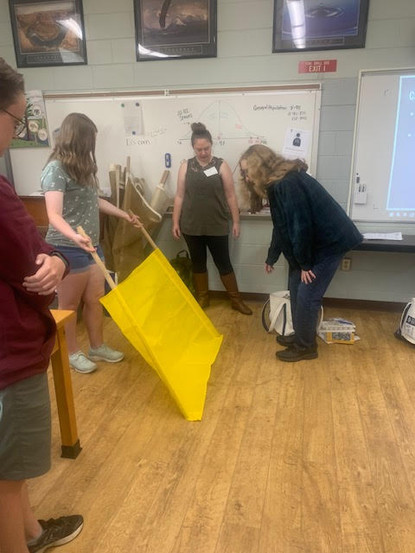


The two pictures above show the Save Our Stream representatives teaching MRGS students how to use the net to collect organisms.
After we had been out in the field several times and felt more confident in our identification skills, we took the written test. Following the test, we went back to the Covered Bridge in Mt. Jackson with several certified members from Save Our Stream and conducted the final part of the certification– the in-field test. Overall, our entire group, made up of the junior class, was required to identify 200 organisms. We soared above this requirement on the in-field test day.
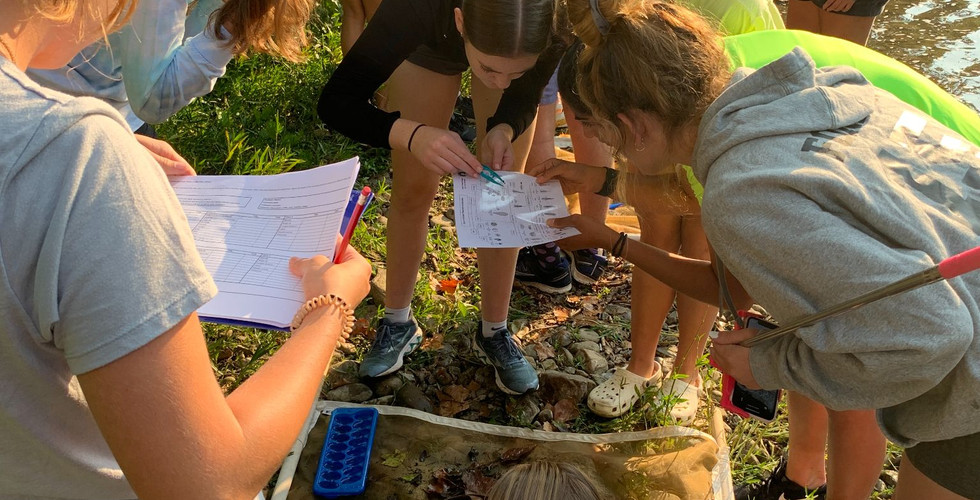
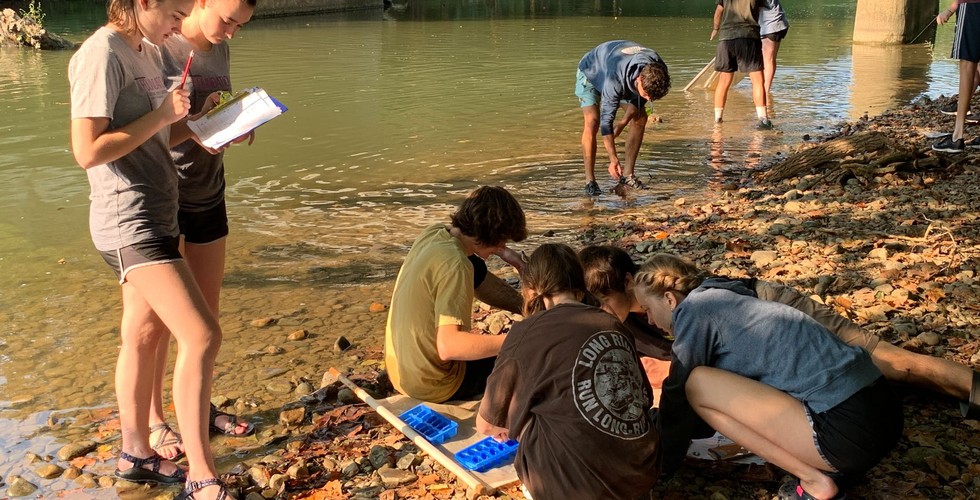
The process of collecting the macro-invertebrates was fairly simple. In groups of 4 or 5, we took to the river. One person held the net and the other shuffled the rocks and dirt in front of the net. After about 45 seconds, they would stop and lift up the net, full of insects and dirt. One person would fold and carry the net out of the river. The net was lifted onto a table. The groups would spray down the area with a spray bottle to make the insects appear more visible. Then, every group member would take a pair of tweezers and organize the insects by species into an ice tray filled with water. After we sorted the insects, it was time to start identifying them. We used various resources from our teachers and the Save Our Stream Organization to help us title the bugs.
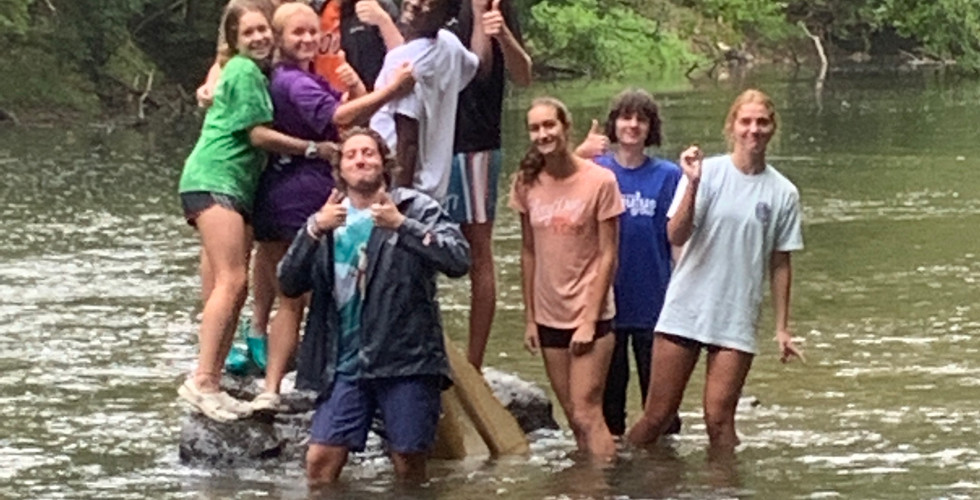
To maintain our certification, the Save Our Streams organization requires an in-field test at least two times a year, so we will be returning to the river in the spring. Our junior class can’t wait to get back into the water to see these small, but important, creatures again. The gallery below shows the collection of images from our in-field test day.











Comments